

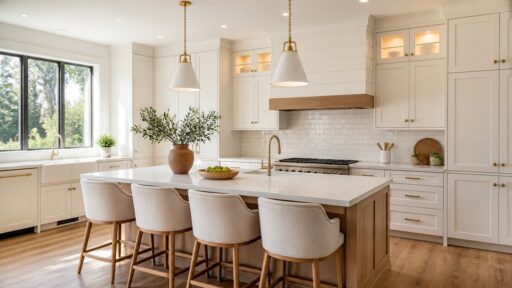


A kitchen upgrade can make your home more appealing, but spending more doesn’t guarantee a better return. Targeted improvements—such as refreshed cabinets, durable countertops, and efficient lighting—often offer better value than a full remodel. Focus on changes that suit local buyer expectations and make the kitchen more practical for everyday use. Before setting a budget, consider which upgrades are likely to recoup their cost and which could reduce your return.
How to Judge a Kitchen Renovation’s ROI
A kitchen renovation’s return on investment (ROI) reflects the value it may add compared with its cost. To assess yours, compare total project expenses with the value you might recoup when selling your home. Account for materials, labor, permits, and temporary costs, then estimate the potential resale impact using local sales data and reputable remodeling reports. Treat the result as a range, not a guaranteed return. Weigh cost versus value alongside everyday benefits, such as better functionality and lower maintenance. A firm budget, broadly appealing upgrades, and realistic expectations can help you make a sound decision.
Refresh Cabinets Instead of Replacing Them
Before replacing sturdy cabinets, consider refinishing or repainting them. A refresh can update your kitchen’s look while typically costing less than new cabinetry. It may also preserve functional storage and reduce demolition, labor, and disposal. Costs vary based on the cabinets’ condition, the finish you choose, and whether you hire a professional, so compare written quotes before deciding. If the doors and cabinet boxes are in good shape, fresh paint, updated hardware, or repaired hinges can make a noticeable difference. You can then put more of your renovation budget toward other priorities while giving the kitchen a cleaner, more current look that may appeal to buyers.
Upgrade Countertops for Lasting Appeal
When your cabinets are staying, replacing worn countertops can make the whole kitchen feel more current without the cost of a full remodel. Choose a durable surface that complements your existing cabinetry and appeals to buyers, such as quartz or granite. Compare material costs with expected lifespan and long-term maintenance before deciding; a lower upfront cost may mean more repairs or sealing later. You don’t need the most expensive stone to make a strong impression.
Prioritize clean edges, practical colors, and quality installation. A well-chosen countertop can refresh your kitchen’s appearance, improve everyday usability, and support resale appeal without overspending on a full renovation.
Improve Lighting for Function and Atmosphere
Good lighting can make your kitchen more functional and inviting without the cost of a major renovation. Replace outdated fixtures with energy-efficient LEDs to reduce energy use and bulb replacement needs. Layer ambient, task, and accent lighting to brighten prep areas and create a welcoming atmosphere for dining and entertaining. Under-cabinet lighting illuminates counters and improves visibility without requiring a full remodel. Dimmers let you adjust brightness throughout the day, adding flexibility at a relatively low cost. Because lighting upgrades typically cost less than structural changes, they can refresh your kitchen’s look and usability while helping protect your renovation budget and support resale appeal.
Choose Flooring That Balances Style and Durability
Durable, well-chosen flooring can refresh your kitchen and help protect your renovation budget. Look for materials that can handle spills, dropped cookware, and daily foot traffic. Durable flooring may help reduce repair and replacement costs over time. Porcelain tile, quality vinyl, and engineered wood offer practical choices at different price points. Before deciding, compare installed costs, warranties, and maintenance needs. For a cohesive look, coordinate the floor’s color and texture with your cabinets and counters, and choose a style that won’t feel dated quickly. A floor that looks right, cleans easily, and holds up to everyday use may offer more value than a premium finish your kitchen doesn’t need.
Update Appliances Without Overbuilding
Choose appliances that suit your cooking habits and kitchen layout, rather than simply picking the most expensive models. Prioritize reliable features, the right capacity, and a solid warranty over premium extras you may rarely use. Compare the purchase price with estimated annual energy costs; an efficient model can help lower utility bills and support your renovation’s long-term value. Look for ENERGY STAR certification and check for local rebates before you buy. Matching your existing finishes and appliance sizes can help you avoid costly cabinetry changes. A targeted upgrade can refresh your kitchen, improve everyday performance, and protect your budget without paying for features that may not matter to future buyers.
Make Small Layout Changes That Improve Flow
A few targeted layout changes can make your kitchen easier to use without the cost of a full remodel. Repositioning an island, widening a narrow walkway, or moving a frequently used appliance can reduce bottlenecks and make daily tasks feel smoother. These updates typically cost less than replacing cabinets or changing plumbing, while improving how buyers experience the space.
Focus on practical flow: keep paths between the sink, stove, and refrigerator clear, and make sure doors and drawers open freely. You can improve function without overbuilding, helping your kitchen feel more valuable during showings and everyday use.
Add Storage Buyers Will Appreciate
You can boost your kitchen’s appeal without expanding its footprint by making every cabinet count. Add pull-out organizers for easier access, and consider creating a walk-in pantry if space allows. These practical upgrades can make storage more convenient and appealing to buyers.
Maximize Cabinet Space
How much can better storage add to a kitchen’s appeal? Buyers notice when cabinets hold more without making the room feel crowded. To maximize storage, consider full-height cabinetry that makes use of otherwise wasted vertical space. Review cabinet depth, too: deeper units can fit larger cookware, but only where they won’t obstruct walkways or counters. Choose practical dimensions that suit your kitchen’s layout and the items you actually store.
You don’t need a full remodel to improve capacity. Extending existing cabinets to the ceiling or replacing bulky trim can add usable space at a controlled cost. These targeted upgrades can make your kitchen feel more functional and help support buyer interest and resale value.
Add Pull-Out Organizers
Pull-out organizers can make existing cabinets more useful without the cost of a full remodel. They give buyers easier access to cookware, pantry staples, and cleaning supplies while making cabinet capacity more visible. Install pull-out organizers in deep lower cabinets, where items can get lost behind one another.
Add cabinet dividers to keep trays, lids, and baking sheets orderly. These targeted upgrades typically cost less than replacing cabinetry while improving everyday function and strengthening your listing’s appeal. Choose sturdy hardware and finishes that complement your kitchen. A modest investment in accessible storage can help your space stand out without overspending.
Create a Walk-In Pantry
A walk-in pantry can add practical storage that buyers appreciate. A well-planned space makes everyday cooking easier and gives your kitchen a useful feature. Focus on function rather than costly finishes; organized storage can strengthen appeal without overspending.
- Add shelving sized for groceries and small appliances.
- Choose adjustable shelves to accommodate changing needs.
- Use clear bins to keep staples visible and easy to reach.
- Add task lighting so you can find items quickly.
- Keep the layout compact to preserve usable kitchen space.
Before building, compare contractor quotes with nearby home values. A right-sized pantry can improve marketability, but avoid investing more than local buyers are likely to support.
Set a Budget That Protects Your Return
Prioritize high-impact updates buyers notice, such as durable countertops and energy-efficient appliances.
Compare project costs with local resale data to focus your budget on improvements that are most likely to pay off.
Set aside a contingency for unexpected costs so overruns don’t erode your return.
Prioritize High-Impact Updates
Start with visible, frequently used features that shape buyers’ first impressions. Focus on improvements that strengthen function and appearance without overspending:
- Replace worn countertops with dependable materials that balance durability and cost.
- Refresh cabinet fronts or hardware before considering a full replacement.
- Upgrade lighting to brighten work areas and make the kitchen feel more spacious.
- Choose timeless finishes that appeal to a broad range of buyers and are less likely to feel dated.
- Repair or replace outdated appliances when their condition and efficiency make the cost worthwhile.
Compare quotes and consider each update’s likely appeal to buyers before committing. Keep choices in line with neighborhood values; premium upgrades rarely recover their full cost at resale. Focus your budget on changes buyers are likely to notice rather than personal luxuries.
Reserve a Contingency Fund
Even a well-planned kitchen renovation can uncover hidden plumbing, wiring, or structural problems. Set aside a contingency fund—typically 10%–20% of your budget—to cover unexpected costs. This reserve can help you handle surprises without cutting high-impact upgrades or relying on costly credit.
Before work begins, ask your contractor for a detailed estimate and discuss potential risks in your home, such as aging pipes or outdated wiring. Track spending against your budget, and use contingency funds only when necessary. A well-managed reserve can help protect your timeline, preserve features that appeal to buyers, and support your return on investment if unexpected repairs arise.
Conclusion
A kitchen renovation can feel fresh without draining your savings. Focus on durable finishes, improved lighting, energy-efficient appliances, and practical updates that make everyday tasks easier. Keep improvements in line with neighborhood expectations, and set aside a contingency fund for unexpected costs. Compare contractor bids, track expenses, and prioritize features buyers are likely to value. A thoughtful renovation can help protect your investment while making the kitchen more enjoyable to use every day.