

A home addition can increase your property’s resale value, but the return depends on more than the extra square footage. Design, construction costs, local buyer demand, and how well the new space supports everyday life all play a role. A bright, thoughtfully planned addition may appeal to buyers, but it may not recover its full cost. Before moving forward, compare likely value gains with recent local sales and consider which type of addition makes the most sense for your home and budget.
How Much Value Can an Extension Add?
The value an extension adds depends on its size, design, location, and construction cost. A well-planned project can typically increase a home’s resale value, but the results vary by property and local market.
Compare recent sale prices for similar homes in your area and consider getting an independent valuation before committing.
Remember to include construction, professional, permitting, and other applicable costs in your budget. To estimate your potential net gain, subtract the total project cost from the expected increase in value. This can help you decide whether extending makes more sense than moving or renovating.
What Determines an Extension’s Resale Value?
An addition’s resale value depends on how well it meets local buyer demand, complements the home, and complies with building codes. Build buyer confidence by obtaining permits when required and keeping inspection records, warranties, and energy-efficiency documentation. Design matters, too: a well-proportioned addition with quality finishes should feel like part of the home, not an afterthought. Compare nearby home sales to see which features buyers value, then weigh potential benefits against construction, maintenance, and insulation costs. A practical layout, natural light, and efficient heating can strengthen appeal, while poor workmanship or awkward access may limit offers and narrow the pool of prospective buyers.
How Much Value Can a Rear Extension Add?
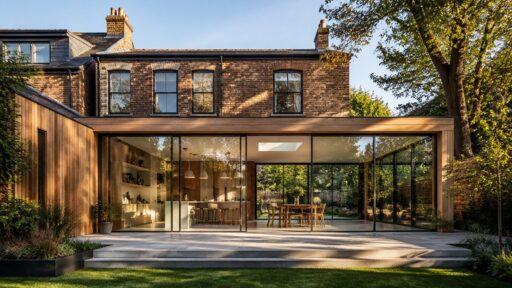
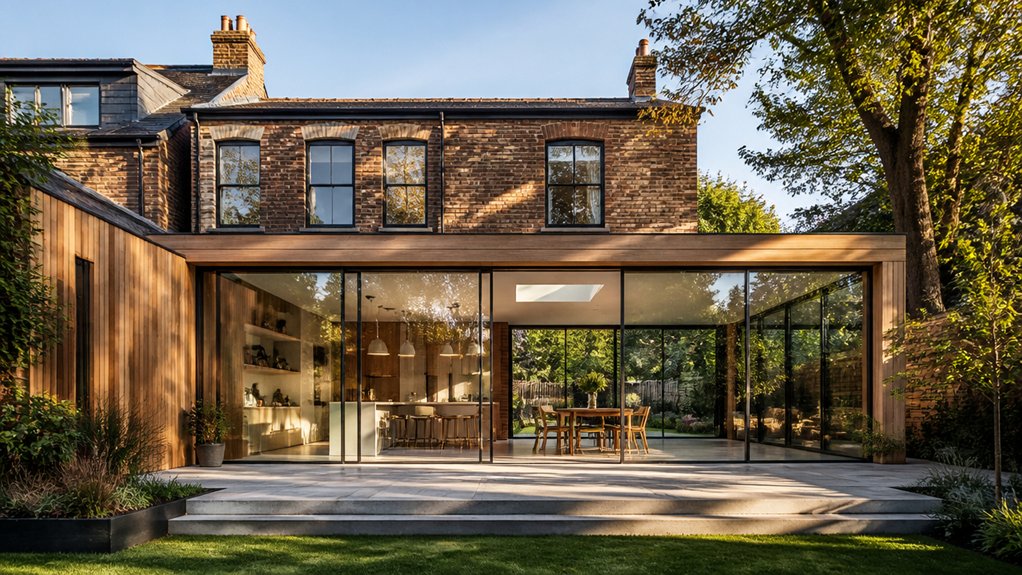
A rear addition can add meaningful resale value, but the premium depends on the usable space it creates and what comparable homes sell for nearby. You may see the greatest benefit when the addition improves flow, natural light, and kitchen and dining space without sacrificing too much yard.
Estimate potential value by comparing recent sales of similar homes with and without additions, then subtract construction, professional, and financing costs. Don’t assume every dollar spent will be recovered at resale. Check local zoning and permitting requirements, and make sure the work meets building codes. Good sound insulation and quality finishes can also strengthen buyer appeal.
Before committing, ask a local real estate agent to assess demand and compare your projected sale price with the total budget.
Can a Side Return Extension Boost Value?
A side return extension can turn unused space beside your home into useful living area.
By expanding your kitchen or living room, it may make your home more functional and appealing to potential buyers.
Any increase in value depends on local demand, construction costs, and the quality of the design.
Added Floor Space
How much value can a side-return extension add?
Start by measuring the floor space you’ll gain. Even a narrow strip can transform a cramped kitchen into a brighter, more functional room.
The benefit isn’t just extra square footage; it’s how well you use it. Plan a layout that improves circulation, storage, and natural light, then check local planning rules and comparable homes before setting your budget.
The timing of your project can affect contractor availability and costs, while your choice of materials shapes durability, maintenance, and design continuity. Prioritize usable space over maximum dimensions to create a practical improvement that supports your home’s appeal without overbuilding.
Property Value Impact
Can a side-return extension increase your home’s value? It can, especially when it creates a brighter, more functional kitchen and suits local buyer preferences. The potential return depends on construction costs, comparable sales, and whether the added space improves the layout—not just the home’s square footage.
- Review recent sales of similar homes with extensions to estimate a realistic value increase.
- Check feasibility, including local permitting requirements, drainage, and structural constraints.
- Prioritize natural light, storage, and easy access to the yard.
- Compare potential resale gains with project costs, a contingency, and financing considerations.
Before committing, ask a local real estate agent and a qualified surveyor to review your assumptions. A well-designed project can make your home more appealing, but building beyond what buyers in your area value may limit your return.
What Is a Loft Conversion Worth?
A loft conversion can typically increase your home’s value, but the impact depends on your location, design, and the space you add. To estimate your return, compare recent sale prices for similar homes with and without converted lofts, then weigh the difference against your project costs. Consider both potential resale value and the added living space you’ll enjoy.
Added Property Value
A loft conversion can increase your home’s value, but the potential return varies by location, workmanship, and how well the space meets local buyers’ needs. To gauge the likely impact, compare recent sales in your area and consider neighborhood trends. Buyers tend to value usable space, so focus on a comfortable bedroom, natural light, and practical storage.
- Choose a design that fits the style of nearby homes.
- Check local planning requirements and building codes.
- Select durable, quality finishes.
- Ask local real estate agents which features appeal to buyers.
A well-planned conversion can make your home more appealing and support a stronger valuation. Avoid adding more space or features than local demand can justify.
Return on Investment
What’s a loft conversion worth? The return depends on the space you create, the costs you manage, and what buyers in your area are willing to pay. A well-planned conversion may increase your home’s value, but the result varies by market and property. Compare recent sales of similar homes nearby, then account for construction, professional, and financing costs to estimate your potential net gain.
Consider local demand for extra bedrooms or workspace. Natural light, practical storage, and a private bathroom can also help make the loft feel like a comfortable, complete living space rather than just another renovation.
How Much Value Does a Conservatory Add?
How much value a conservatory adds depends on its construction, year-round comfort, and appeal to local buyers. A space that feels like a natural extension of your home may be more appealing than one that’s usable only in certain seasons. There’s no guaranteed increase in value, so compare local valuations before setting a budget and weigh the potential benefit against the cost.
- Choose insulation and windows that support energy efficiency.
- Match the design to your home’s layout and finishes.
- Plan for heating, ventilation, and lighting to make the space comfortable for everyday use.
- Check local planning requirements and building codes before work begins.
A well-designed conservatory can make your home more appealing, but its value depends on whether local buyers see the added space as useful.
How Do Location and Local Buyers Affect Value?
Even a well-designed addition may add little value if local buyers don’t want the space or can’t afford the price it adds. Local market trends and buyer demographics can shape which improvements attract offers. In family-focused areas, an extra bedroom or larger kitchen may appeal to more buyers; near universities, flexible living space may matter more. Compare recent sales of similar homes, noting which features helped properties sell faster or for more. Check local listings and speak with agents who understand your market. Their insights can help you tailor your addition to genuine demand rather than assume every added square foot carries equal value.
Will the Added Value Cover the Extension Cost?
Will the added value cover the extension cost?
Before committing, compare credible local resale estimates with a fully itemized project budget. Your cost-versus-value calculation should include fees, financing, and a contingency—not just construction costs. An extension may make your home more appealing without returning every dollar you spend, so consider both resale potential and how you’ll use the space day to day.
- Get an independent valuation before and after the proposed work.
- Estimate design, permits, labor, materials, and temporary housing, if needed.
- Review comparable sales for similar homes in your area.
- Consider market timing: prices may change before you sell.
If the projected increase in value doesn’t cover the full cost, weigh the difference against how long you expect to enjoy the extra space.
How Can You Maximise Your Extension’s Value?
To maximize your extension’s value, plan around what local buyers want: useful, well-lit space that suits the home and meets building codes. Review recent sales to see which features buyers value, such as an extra bedroom, an open-plan kitchen, or an accessible bathroom. Set a firm budget that includes a contingency, and prioritize improvements with realistic resale potential. This approach can help you avoid costly upgrades that may not appeal to local buyers.
Choose durable materials, energy-efficient systems, and proportions that complement your property. Secure required approvals before work begins, and request itemized quotes. A well-designed, code-compliant extension can support your home’s value and give buyers greater confidence.
Conclusion
A home extension can add meaningful value, but there’s no guaranteed return. Location, design, construction quality, and local buyer demand all influence what your home may be worth. Compare recent sales of similar nearby homes and consider getting an independent valuation. Before you commit, account for permits, labor, materials, and a contingency fund. Focus on practical, well-lit space, energy efficiency, and compliance with local building codes. A well-planned extension can boost resale appeal, while a build that’s oversized or too costly may not recoup its expense.