


A period home can offer something a new build can’t recreate: a sense of place shaped by generations of use. Generous proportions, distinctive details, and established neighborhoods can all support lasting appeal. But charm alone doesn’t explain why buyers may pay a premium. The strongest case comes from the way original features, flexible layouts, and thoughtful updates work together—along with a clear understanding of the home’s maintenance needs.
What Makes Period Properties So Appealing?
Period homes stand out for their character, which can be difficult to replicate in a newer home. They’re often found in established neighborhoods with mature streetscapes and layouts shaped by generations of practical living. These qualities can make a home feel distinctive without sacrificing everyday convenience. For buyers seeking a premium property, limited availability may attract strong interest when a well-located home comes on the market. Look beyond auction myths and evaluate each property on its merits, including its condition, location, and current buyer demand. Understanding how a home’s age and features affect its value can help you negotiate confidently and choose a property with lasting appeal rather than chase a passing trend.
How Original Features Add Character and Value
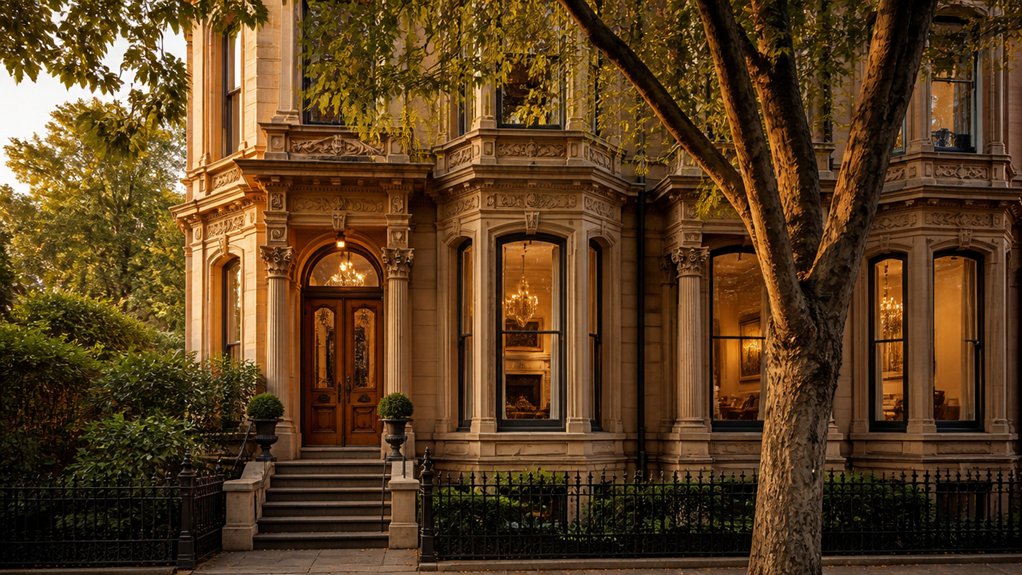
Original features—such as ornate cornices, hardwood floors, stained glass, and fireplaces—give a period home a sense of identity that new construction rarely replicates.
Choosing a property with these details means gaining more than visual appeal: you’re also investing in craftsmanship and a story that can set your home apart in a competitive market.
Well-preserved features may appeal to buyers who value authenticity and support resale appeal.
With thoughtful maintenance, you can protect their beauty and preserve the character they bring to your home.
Rather than removing these details, make them part of your renovation plans to create a more memorable, desirable space.
Why Established Locations Attract Premium Buyers
Location often helps explain why two otherwise similar homes receive very different offers. Established neighborhoods may offer mature streets, dependable transportation, and convenient access to shops, schools, and cultural amenities. These features can make daily life easier and support ongoing buyer interest.
Premium buyers often value that sense of confidence. They’re not just choosing a home; they’re investing in a neighborhood with a recognized reputation and lasting appeal. When evaluating a period home, look beyond the front door. Consider how the surrounding area meets your needs today and whether its established character may help support the home’s appeal when you decide to sell.
How Period Homes Offer Space and Flexibility
Period homes typically offer generous room proportions that make everyday living more comfortable.
Their flexible layouts can adapt to work, family life, or entertaining, so you can shape each room around your priorities while preserving the home’s character.
Generous Room Proportions
Why do spacious rooms remain high on buyers’ wish lists? Period homes often offer generous room proportions that make everyday living feel more comfortable and considered. High ceilings, broad windows, and well-scaled living and dining rooms create a sense of openness that can be difficult to replicate in newer homes.
These spacious floor plans also make it easier to arrange furniture, welcome guests, and enjoy natural light without crowding the space.
For buyers seeking a premium home, that scale has lasting appeal: the home feels substantial from the moment you enter, with architectural character enhancing every room. It’s space you can appreciate day after day.
Flexible Living Spaces
How can one room serve more than one purpose? In a period home, generous proportions and distinctive architectural features give you options. A spare bedroom can become a quiet office, while a dining room can host family meals and serve as a workspace. These flexible layouts help you adapt your home as your needs change without sacrificing character or comfort.
High ceilings, large windows, and original details can make multipurpose rooms feel inviting rather than improvised. Create separate zones with furniture, lighting, or shelving while preserving the flow of each space. For premium buyers, this adaptability can offer lasting value: your home can support work, family life, and entertaining.
What Buyers Should Know About Maintenance
What should you budget for when buying an older home? Look beyond the purchase price: period properties may need specialist inspections, skilled contractors, and ongoing repairs. Ask a qualified home inspector or structural engineer to assess the roof, foundation, moisture issues, and wood-destroying pests. Use the findings to estimate likely maintenance costs and make a more informed offer.
Set aside funds for unexpected work, and request records of past repairs and system maintenance. Check whether historic-district rules or other local requirements could affect materials, permits, or contractor choices. A clear maintenance plan can help protect your investment and reduce costly surprises. Don’t rely on appearance alone.
How to Balance Heritage With Modern Living
Preserve original features such as moldings, fireplaces, and sash windows to maintain your home’s character.
Add modern comforts, like efficient heating and discreet smart technology, where they’ll make everyday life easier.
With a thoughtful balance, you can enjoy the home’s heritage without giving up convenience.
Preserve Original Character
Original features give period homes their character, but thoughtful updates can make them work for modern life. Before making changes, identify the details that contribute to your home’s value, such as cornices, sash windows, fireplaces, floorboards, and period doors. Prioritize repairs over replacement, and choose skilled tradespeople with experience in historic restoration. This helps preserve original materials and craftsmanship while avoiding work that could erase the home’s appeal. When a feature needs attention, match its proportions and finishes rather than imposing a contemporary look. This considered approach protects architectural integrity, supports buyer appeal, and lets you enjoy a home that feels authentic rather than staged or stripped of its history.
Add Modern Comforts
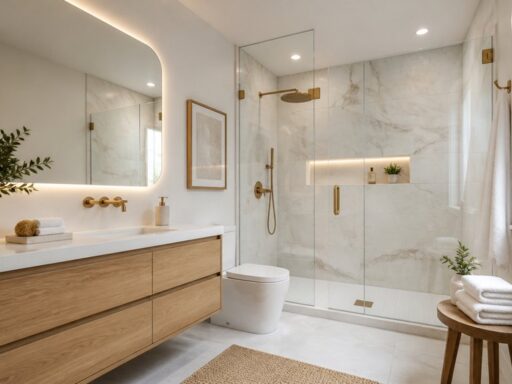
How can a period home feel authentic and comfortable? Preserve defining details, such as original fireplaces, moldings, and wood floors, while upgrading the systems that make daily life easier. Discreet insulation, efficient heating, and well-planned lighting can improve comfort without erasing the home’s history.
Prioritize energy efficiency with improvements suited to the property’s age and structure. Secondary glazing, weatherstripping, and smart controls can help reduce energy use while protecting historic windows and finishes. Choose compatible materials and work with experienced installers to avoid costly mistakes. With careful restoration and thoughtful upgrades, you can honor the home’s past while making it work for modern living.
Conclusion
When you choose a period home, you’re buying more than a house: you’re investing in character, established surroundings, and lasting appeal. In the United States, older homes vary widely in age, style, and condition, so their value depends on more than their historic features. Look beyond the charm and assess maintenance, energy efficiency, and potential renovation needs. With thoughtful updates, you can preserve a home’s character while making it more comfortable and appealing to future buyers.