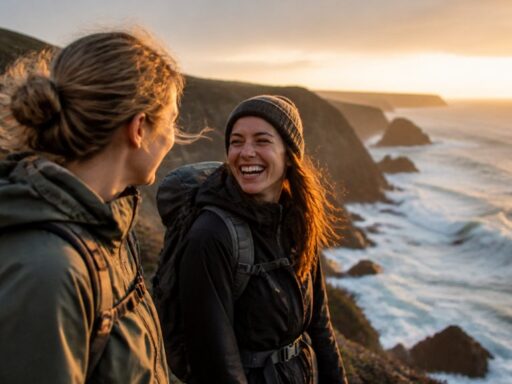



For a trip that feels different without adding unnecessary complexity, look beyond the usual hotspots. Alentejo’s quiet coast, Albania’s Riviera, ferry-linked islands, and remote mountain towns can offer a stronger sense of place, often with fewer crowds and lower costs during the shoulder season. Choose local guides and community-led experiences to help keep more of your spending close to home. The best fit depends on how you like to travel—and may include places you haven’t considered.
Underrated Coastal Destinations Beyond the Crowds
Skip crowded resort strips and explore coastlines where local life still sets the pace. Portugal’s Alentejo coast and Albania’s Riviera offer working harbors, regional seafood, and a quieter alternative to Europe’s best-known beaches. Compare transportation and lodging costs in the shoulder season before booking; shifting your dates may help your budget go further while preserving the chance of warm weather. Walk marked trails, hire independent guides, and ask residents about maritime folklore to learn about each place beyond its views. Check local advisories about coastal erosion, too. Choosing routes carefully can help protect fragile cliffs and keep these less-visited shores welcoming for future travelers.
Quiet Islands for a Slower Pace
What if your best island escape traded packed itineraries for unhurried days? On a quiet island, you can swap crowded attractions for local markets, uncrowded beaches, and meals that last as long as you like. Choose a small island with regular ferry service and a walkable village; you’ll spend less time coordinating transportation and more time enjoying each day. Check shoulder-season schedules before booking, since fewer visitors can mean fewer services.
A slower pace doesn’t require giving up comfort or choice. It simply lets you prioritize what matters: swimming, fresh food, and meaningful conversations, without filling every hour or chasing another must-see stop.
Remote Mountain Towns Worth the Journey
Why travel farther for a mountain town? Remote towns can offer quieter trails, dramatic terrain, and fewer crowds—but getting there takes planning. Choose a destination with reliable road access, seasonal services, and clear emergency options, and check for closures before booking. Leave a buffer day in case weather disrupts transportation, and confirm that your lodging has backup power and heat. At higher elevations, ascend gradually, stay hydrated, and give yourself time to adjust before strenuous hikes. Respect the area’s isolation by packing out your waste, supporting locally owned businesses, and avoiding fragile routes. With thoughtful preparation, you can enjoy a distinctive trip and help leave the landscape intact.
Underrated Destinations for Culture and Local Life
Choose destinations where living traditions are part of daily life, not just staged performances. Street markets, neighborhood cafés, and public gatherings can offer a clearer sense of local culture. Look for community-led tours and workshops to help direct more of your spending to local residents.
Living Local Traditions
To understand a place beyond its landmarks, look for destinations where traditions remain part of daily life. In Oaxaca, Mexico, you can learn how families pass down weaving, pottery, and food-making skills, then support local artisans by buying directly from them. In Georgia’s mountain villages, seasonal feasts and polyphonic singing connect visitors with customs that are still woven into community life.
Choose a small-group workshop or festival led by local residents. Your spending supports local hosts, and you gain context that a museum label may not provide. Ask permission before photographing ceremonies, and approach unfamiliar traditions with curiosity, respect, and a willingness to listen.
Everyday Street Culture
Street life often reveals a city more vividly than its monuments. In underrated destinations, you can get a feel for local character through market rhythms, corner cafés, and neon murals. Wander beyond the main square: quiet alleys may lead to bakeries opening before dawn or shops that double as neighborhood gathering spots. These everyday scenes can offer a stronger sense of place than a packed itinerary, often at little or no cost. Visit at different times of day to see streets shift from commuter routes to evening gathering spots. Choose destinations where daily life remains visible, and your discoveries are more likely to feel grounded than staged.
Community-Led Experiences
Beyond the street scene, community-led experiences offer a chance to learn about local culture on residents’ terms. Choose a small-group food walk, craft workshop, or village tour led by local hosts. Your spending can support local livelihoods, while conversation adds context you won’t find in a guidebook. Before booking, ask who sets prices, receives the revenue, and shapes the itinerary. Transparent answers can signal a stronger community partnership.
Pair the activity with lodging that’s locally owned or staffed to keep more of your budget in the destination. These choices can make your visit more meaningful and help communities benefit from tourism without turning daily life into a spectacle.
Unexpected Places for Nature and Wildlife
You don’t need to follow a famous safari route to see wildlife away from the crowds. Choose remote destinations where local guides can help you spot species responsibly and safely.
Pair wildlife encounters with landscapes that defy expectations, from volcanic deserts to lush, high-altitude wetlands.
Remote Wildlife Encounters
Where can you find remarkable wildlife without joining a crowded safari? Remote wildlife encounters in lesser-known destinations offer quieter, more meaningful ways to observe animals. Consider community-run reserves in Madagascar, birding lodges in Colombia, or guided marine trips in the Azores.
Before booking, compare group sizes, conservation fees, and local guide credentials. These details can help you choose experiences that support habitat protection and nearby communities. Keep a respectful distance, follow your guide’s instructions, and never feed wildlife. You may see more by moving slowly and spending longer in one place. Choose a region, consider traveling in the shoulder season, and let local expertise shape your itinerary.
Unusual Natural Landscapes
Wildlife isn’t limited to forests and savannas. Salt flats, volcanic slopes, and windswept plateaus can offer memorable encounters with species adapted to challenging conditions. Before you go, research seasonal migrations, check access rules, and consider hiring a local guide who knows where animals gather.
A short hike through a hidden canyon may reveal nesting birds, desert foxes, or rare plants growing beyond the main trails. You’ll experience more than dramatic scenery: you’ll see how life adapts to extreme environments.
Choose destinations that protect their habitats so your visit can support conservation while offering a distinctive journey.
How to Reach These Off-the-Beaten-Path Destinations
Getting to lesser-known destinations often takes more planning than booking a flight to a major city, but the extra steps are manageable. Map each leg before you book, comparing nearby airports, train stations, ferry ports, and local transfers. Check road conditions, service frequency, and whether operators accept advance reservations. Plan a backup route in case a connection falls through, especially in areas where buses run only once or twice a day. To manage costs, budget for the full journey—not just airfare—including transfers, baggage fees, and overnight stays. A clear itinerary can help you reach remote landscapes smoothly and keep logistics from derailing your trip.
When to Go and How to Travel Responsibly
Once you’ve mapped your route, choose travel dates that align with local seasons and help reduce pressure on fragile places. Shoulder seasons typically bring fewer visitors, lower prices, and more reliable access, but check rainfall, road closures, and community calendars before booking. Build sustainable budgeting into your plan: stay at locally owned accommodations, use shared transportation, and pay fair prices for guides and crafts. Your spending can support local livelihoods while keeping your trip costs manageable. For responsible wildlife viewing, choose licensed operators, keep your distance, and never feed or touch animals. Follow local guidance, bring reusable essentials, and leave each place as you found it—or better.
Conclusion
Choose a quieter coastline, a ferry-linked island, or a mountain town where local traditions shape daily life. Travel during the shoulder season for milder weather, typically lower costs, and more opportunities to connect with local communities. Hire licensed local guides, support community-led experiences, and avoid disturbing wildlife and habitats. These choices can make your trip more rewarding while helping support the places you visit. Plan thoughtfully, take only memories, and leave only footprints.