

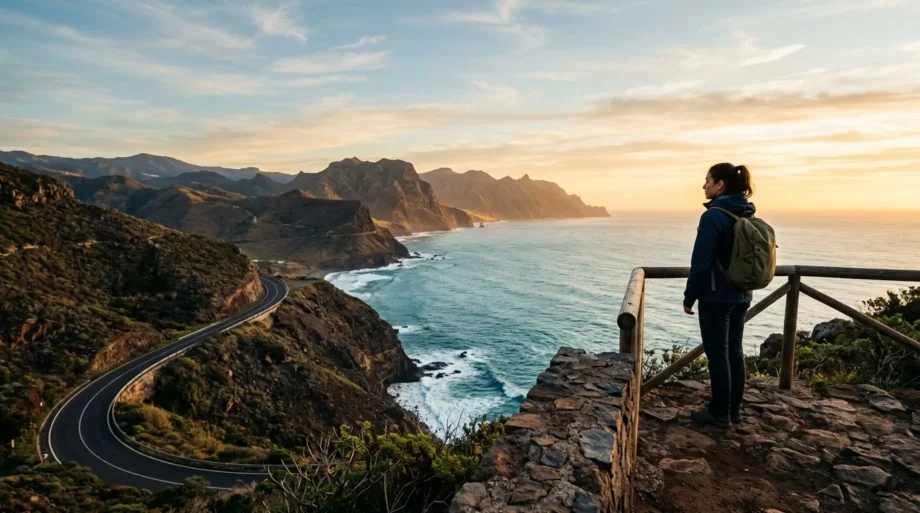


Travel does not always have to mean a large budget. With a little planning, flexible choices, and smarter booking habits, you can experience more while keeping your spending under control.
1. Travel During Shoulder Seasons
Consider travelling just before or after the busiest season. Flights and accommodation can be cheaper, popular attractions are often less crowded, and the overall experience can feel more relaxed.
Travelling during these periods can give you a better balance between good weather, reasonable prices, and fewer crowds.
2. Compare the Full Cost
Do not compare hotels only by their nightly price. Look at breakfast, transport, parking, baggage, taxes, and location.
A slightly more expensive room can sometimes be cheaper overall if it includes breakfast, has better transport connections, or is located closer to the places you want to visit.
3. Use Flexible Dates
If your schedule allows it, compare nearby departure dates. Moving a trip by one or two days can sometimes produce meaningful savings.
When planning flights or accommodation, check several date combinations instead of immediately choosing the first available option.
4. Choose Experiences Carefully
Prioritise the experiences that matter most to you. Free walking tours, public parks, local markets, beaches, viewpoints, and cultural areas can provide memorable experiences without expensive tickets.
The best travel memories do not always come from expensive attractions. Sometimes a local street, a beautiful sunset, or a conversation with a local can become the highlight of a trip.
5. Pack Light
Avoid unnecessary baggage fees by travelling with a practical carry-on where possible. A simple packing list also makes moving between destinations easier.
Packing fewer items means less to carry, less to organise, and more flexibility when moving from one destination to another.
6. Eat Like a Local
Instead of eating every meal in tourist areas, explore local cafés, markets, and neighbourhood restaurants.
You can often discover better value while experiencing the local food culture. Ask locals for recommendations and look beyond the busiest tourist streets.
7. Plan a Daily Budget
Set a realistic daily spending limit before you leave. Divide it into accommodation, food, transport, activities, and a small emergency allowance.
This makes it easier to enjoy the trip without financial stress and helps you understand where your money is actually going.
Conclusion
Smart travel is less about spending as little as possible and more about spending intentionally.
Plan around your priorities, compare the real cost of your choices, and leave room for unexpected experiences. With a little preparation, you can enjoy more of the world without constantly worrying about your budget.
Plan around your priorities, compare the real cost of your choices, and leave room for unexpected experiences. With a little preparation, you can enjoy more of the world without constantly worrying about your budget.
Plan around your priorities, compare the real cost of your choices, and leave room for unexpected experiences. With a little preparation, you can enjoy more of the world without constantly worrying about your budget.